

CONTENTS:
- FDA Approves Romiplostim (N-Plate) as a Treatment Option for Pediatric Patients with Immune Thrombocytopenia
- Berberine May Offer ITP Patients Suffering from Corticosteroid Resistance Induced by Gut Microbiota Imbalance a New Option for Therapy
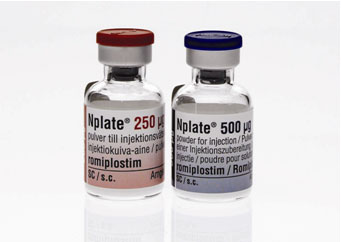 FDA Approves Romiplostim (N-Plate) as a Treatment Option for Pediatric Patients with Immune Thrombocytopenia
After being approved for adult therapy ten years ago, Romiplostim (N-Plate, Amgen Inc.) has achieved FDA approval for children one year of age and older with ITP.
Pediatric patients who display an insufficient response to a splenectomy, corticosteroids (prednisone, prednisolone, or dexamethasone), or immunoglobulin therapy, for at least 6 months can be eligible to receive Romiplostim for treatment.
FDA approval was based on two 6-month, double-blind, placebo-controlled, clinical trials in pediatric patients 1 year and older with ITP. In these trials, 71% of children who had refractory ITP (no or poor response to other therapies) or relapsed after the initial treatment yielded an adequate platelet response. In addition, 88% of newly diagnosed patients (6 months prior to enrollment) in these trials also obtained a platelet response to Romiplostim. The most common adverse reactions included bruising, upper respiratory tract infections, and throat pain.
https://www.fda.gov/Drugs/InformationOnDrugs/ApprovedDrugs/ucm628525.htm
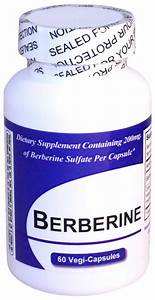 Berberine May Offer ITP Patients Suffering from Corticosteroid Resistance Induced by Gut Microbiota Imbalance a New Option for Therapy
Determining a therapy option for ITP patients with corticosteroid resistance has always been a challenging endeavor. Even though extensive research has increased researchers’ understanding of ITP through the discovery of association of bacteria (i.e. Helicobacter Pylori), with thrombocytopenia, no evidence has been found to suggest gut microbiota (the number and types of bacteria in the intestine) are involved in the development of ITP. However, regulating the microbiota has the potential to improve metabolic disorders and allow additional treatment options to be utilized.
In this study, both healthy and ITP patient samples were treated with Berberine, a drug isolated from a Chinese herb to treat diarrhea, to examine if Berberine can alter gut microbiota and thus remedy steroid resistance. The study identified a few strains of bacteria in the gut microbiome that were present at higher levels in ITP patients, and could therefore be the most promising target for treatment.
The treatment of this imbalance in ITP patient samples with Berberine resulted in the partial normalization of gut microbiomes, allowing for the corticosteroid resistance to be corrected. These findings suggest that gut microbiota imbalance may play a role in the development of corticosteroid resistance and therefore makes Berberine a potentially important new therapy for ITP patients.
Wang, Y., Liu, X., He, Y., Wang, Q., Zhu, X., Wang, C., Fu, H., Lv, M., Chang, Y., Zhao, X., Zhao, X., Xu, L., Liu, K., Huang, X., & Zhang, X. (2018). Berberine May Correct Corticosteroid Resistance Induced by Gut Microbiota Dysbiosis in Immune Thrombocytopenia. Blood, 132(Suppl 1), 3769.
https://ash.confex.com/ash/2018/webprogram/Paper113983.html
Special Thanks to our e-News Sponsor: